
Most homeowners in Central Texas wait until spring to plant. It feels right: the weather warms up, nurseries fill with color, and everyone is outside again. But for trees and shrubs, spring is often the harder season. Fall gives new plants the best possible start, and the difference shows up the following summer.
Here is what I tell clients in Round Rock, Georgetown, Austin, and the surrounding Hill Country this time of year: what to plant now, what to hold off on, and how your soil should change your approach.
Why fall beats spring in Central Texas
Texas A&M AgriLife Extension calls autumn “the absolute perfect season” for planting trees in Central Texas, thanks to shorter days, cooler temperatures, and moderate rainfall (AgriLife Today). Most of the trees we plant here are deciduous. Once they drop their leaves, they put their energy into growing roots instead of supporting a canopy.
That gives a fall-planted tree almost half a year to establish roots before summer heat arrives. A tree planted in late spring has to build roots and survive a Texas summer at the same time, and it often drops its leaves just to get through it.
What to plant now
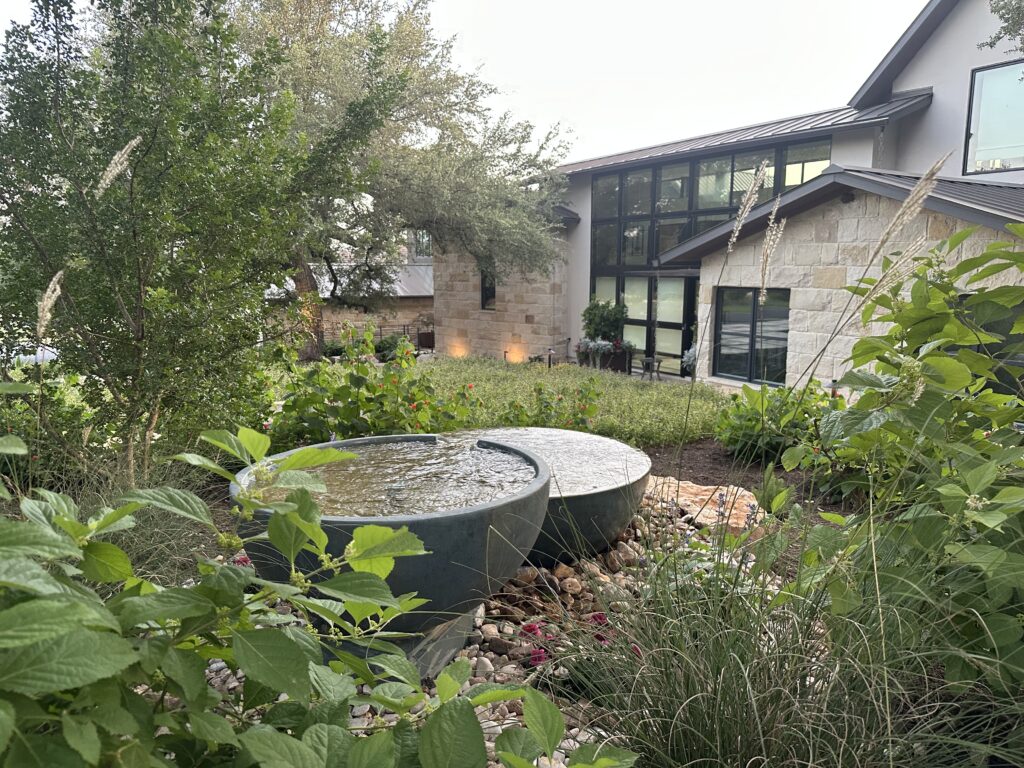
- Trees. The Williamson County AgriLife office recommends Lacey oak, chinkapin oak, and Chinese pistache as trees that do especially well in our area (Williamson County AgriLife).
- Shrubs. Fall is the right time for most woody shrubs. Texas sage selections like ‘Lynn’s Legacy’ are a reliable choice for sun and dry conditions (Williamson County AgriLife).
- Roses. Fall and winter are a good time to plant roses (AgriLife Today).
- Seasonal color. Cyclamen, snapdragons, and ornamental kale, cabbage, and Swiss chard carry beds and containers through the cool months (AgriLife Today).
For a broader list of plants suited to our climate , the City of Austin’s Grow Green plant guide is one of the best local references available.
What to wait on until spring
Heat-loving plants don’t want to be disturbed going into winter. AgriLife specifically recommends holding off on lantana, esperanza, plumbago, and Pride of Barbados until the weather warms (AgriLife Today). A good rule: if a plant would need protection during our relatively mild winters, plant it in spring instead.
Your soil changes the plan
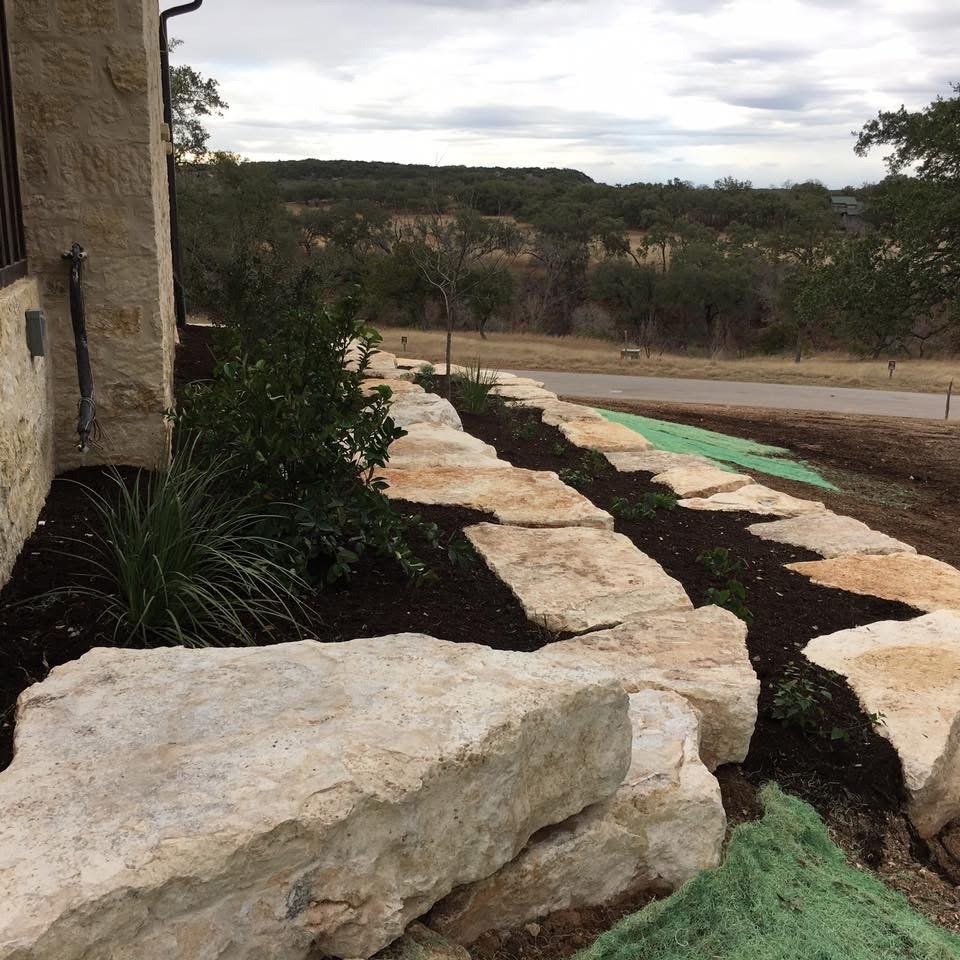
Central Texas sits on two very different soils. East of MoPac, much of the area is deep Blackland Prairie clay. To the west, the Hill Country has thin, rocky soil over limestone (Digging, summarizing the Grow Green guide). The same tree can thrive in one yard and struggle a few miles away.
That difference affects how you plant, not just what you plant. The Williamson County Master Gardeners recommend a saucer-shaped hole 2 to 3 times the root ball’s width in deeper Blackland soil, and 3 to 4 times the width in thin Edwards Plateau soil (Williamson County Master Gardener Association). In both cases, the tree’s root flare, where the trunk widens into the roots, should sit slightly above grade, not buried.
Planting and watering basics
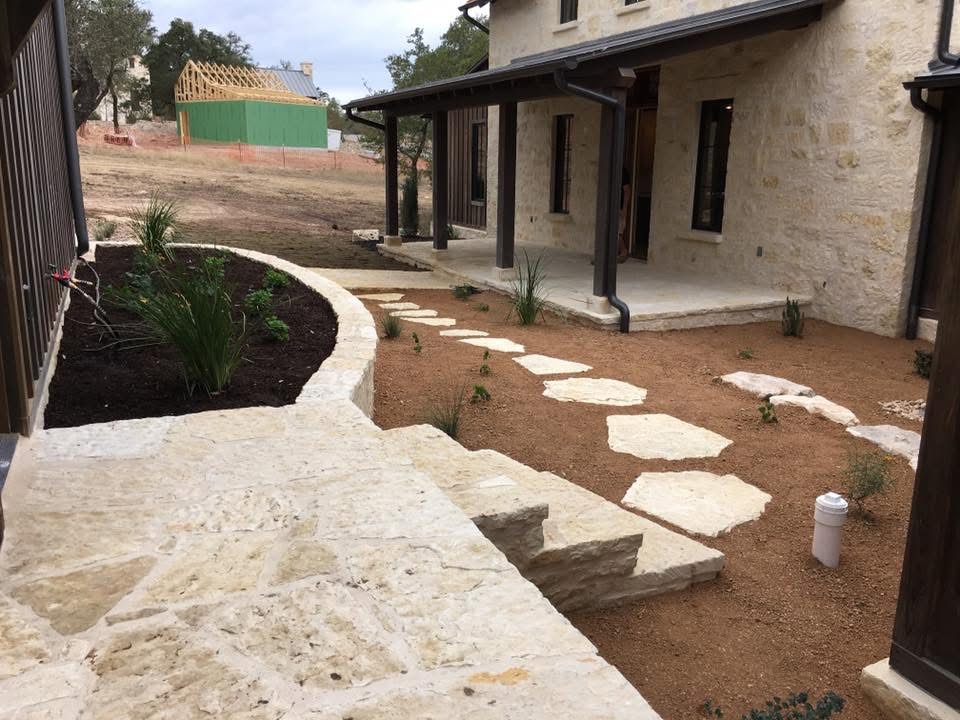
- Dig wide, not deep. Dig only as deep as the root ball, and check for extra soil above the root flare in the container. Nursery trees can have 4 to 6 inches of soil piled above it (Williamson County AgriLife).
- Backfill with the soil you removed, watering as you go to settle it and remove air pockets.
- Mulch 3 to 4 inches deep over the disturbed soil, keeping it about 2 inches away from the trunk (Williamson County Master Gardener Association).
- Water on a schedule. A good starting guideline is daily for the first week, every other day the second week, every two to three days the third week, then weekly for the next few months. Check the top inch of soil and water when it feels dry (Williamson County AgriLife).
New plantings still need water through winter dry spells. Fall planting reduces stress, but it doesn’t mean “plant and forget.”
A note on larger projects
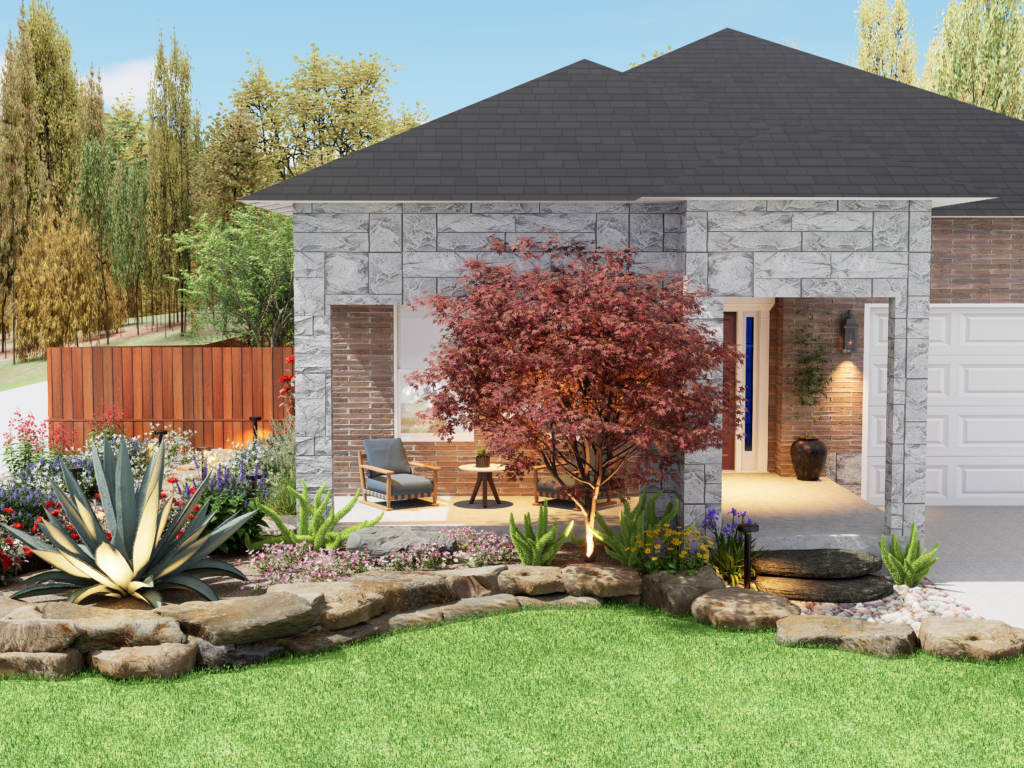
Seasonal timing matters even more on a full landscape renovation. On larger projects, I start design work in the fall and winter so grading, hardscape, irrigation, and lighting are planned and approved in time for planting to happen in the right window. Every project begins with a 2D plan that sets quantities and gives installers exact layouts, followed by 3D visuals so you can see the result before anything is built. I then stay involved through installation so what gets built matches what you approved.
I’m a Texas Certified Landscape Professional (TCLP #756) and a professional member of the Association of Professional Landscape Designers (APLD), working with homeowners within about 50 miles of Round Rock.
Frequently asked questions
When is the best time to plant trees in Central Texas?
Fall. Cooler temperatures, shorter days, and moderate rainfall give trees months to grow roots before summer heat returns.
What should I avoid planting in the fall?
Heat-loving and cold-tender plants such as lantana, esperanza, plumbago, and Pride of Barbados. Plant those in spring.
How often should I water a newly planted tree?
Daily the first week, then gradually less often until you reach about once a week. Always check the soil first, and keep watering during dry winter stretches.
Does soil type matter when planting in the Austin area?
Yes. Deep Blackland clay east of MoPac and thin limestone soil to the west call for different plant choices and different planting-hole sizes.
Planning a landscape project for spring? Fall is the time to start design. Start a conversation or schedule a discovery call. Consultations are by appointment.